Homeowners Insurance in and around Lindstrom
Protect what's important from the unexpected.
Help protect your home with the right insurance for you.
Would you like to create a personalized homeowners quote?
Home Is Where Your Heart Is
New home. New memories. State Farm homeowners insurance. They go hand in hand. And not only can State Farm help cover your home in case of tornado or windstorm, but it can also be beneficial in specific legal situations. If someone were to hold you financially accountable if they slipped at your residence, the right homeowners insurance may be able to cover the cost.
Protect what's important from the unexpected.
Help protect your home with the right insurance for you.
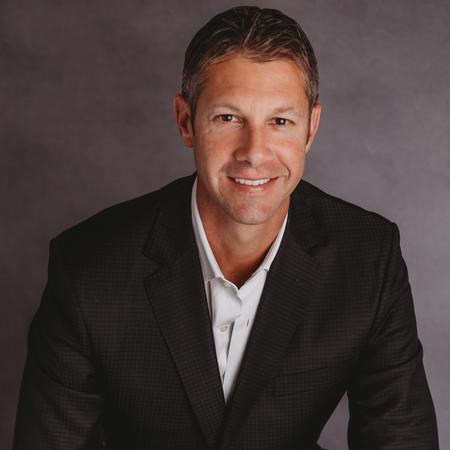
Agent Mike Omalley, At Your Service
That’s why your friends and neighbors in Lindstrom turn to State Farm Agent Mike OMalley. Mike OMalley can outline your liabilities and help you make sure your bases are covered.
Let us help with the details of insuring your house with State Farm's quality homeowners insurance. All you need to do to lay the foundation is reach out to Mike OMalley today!
Have More Questions About Homeowners Insurance?
Call Mike at (651) 257-4372 or visit our FAQ page.

Protect your place from electrical fires
State Farm and Ting* can help you prevent electrical fires before they happen - for free.
Ting program only available to eligible State Farm Non-Tenant Homeowner policyholders
Explore Ting*The State Farm Ting program is currently unavailable in AK, DE, NC, SD and WY
Simple Insights®
What is private mortgage insurance?

What is private mortgage insurance?
Depending on your down payment, private mortgage insurance (PMI) may be required. We walk you through PMI basics.
How much to budget for home maintenance

How much to budget for home maintenance
Understanding the lifespan of a house and how much to budget for home maintenance can help you be more prepared when it’s time for those costly repairs.
Would you like to create a personalized homeowners quote?
Protect your place from electrical fires
State Farm and Ting* can help you prevent electrical fires before they happen - for free.
Ting program only available to eligible State Farm Non-Tenant Homeowner policyholders
Explore Ting*The State Farm Ting program is currently unavailable in AK, DE, NC, SD and WY
Simple Insights®
What is private mortgage insurance?
What is private mortgage insurance?
Depending on your down payment, private mortgage insurance (PMI) may be required. We walk you through PMI basics.
How much to budget for home maintenance
How much to budget for home maintenance
Understanding the lifespan of a house and how much to budget for home maintenance can help you be more prepared when it’s time for those costly repairs.